Waste removal insurance and licensing for West Kensington trades
Posted on 21/10/2026
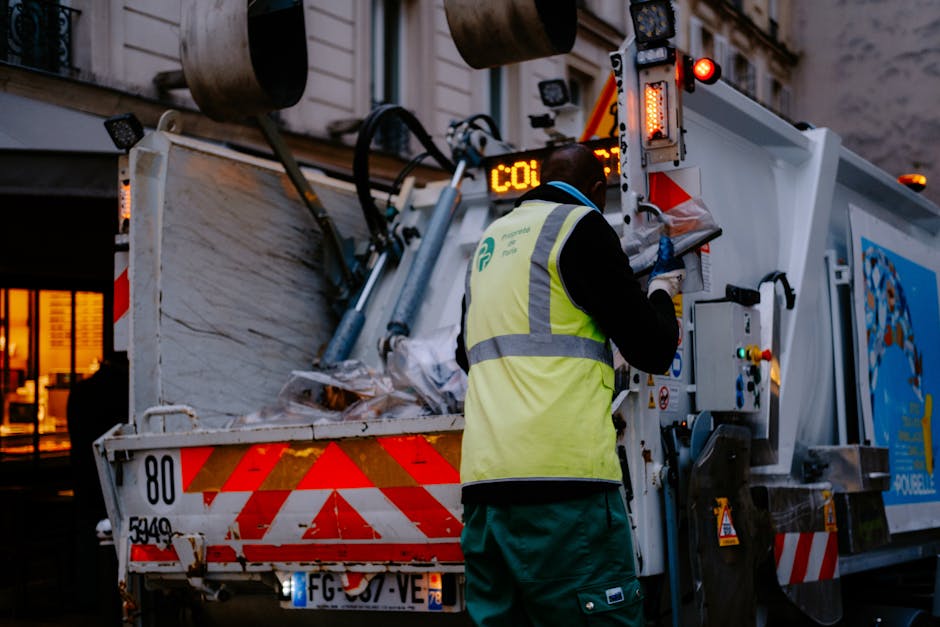
If you work in and around West Kensington, waste removal can look straightforward from the outside. Load the van, clear the site, tip the rubbish, done. But anyone who has had to deal with a blocked mews, a tight access flat, a last-minute builder's strip-out, or a fussy client knows it is never quite that simple. Waste removal insurance and licensing for West Kensington trades matters because the job is not only about shifting debris; it is about doing it legally, safely, and in a way that protects your business when something goes wrong.
Whether you are a builder, decorator, plumber, electrician, landscaper, carpenter, or general contractor, the right insurance and licensing set-up can be the difference between a smooth job and a nasty headache. In this guide, we will break down what it means, why it matters locally, how it works in practice, and what to check before you book a collection or subcontract the waste side of a job. Let's face it, nobody wants a paperwork problem hanging over a clean-up on a rainy Friday afternoon.
Why Waste removal insurance and licensing for West Kensington trades Matters
In a busy part of London, waste disposal is not just a back-office issue. It is part of your duty of care to clients, neighbours, workers, and the street itself. West Kensington has the usual urban realities: narrow roads, shared entrances, parking pressure, and properties where a single skip or van can turn into a small logistical puzzle. If your waste removal arrangements are sloppy, the risks stack up quickly.
The first big issue is legal responsibility. If waste leaves your site and ends up fly-tipped, mishandled, or collected by someone unlicensed, you may still be asked to show what happened to it. That is why proper waste carrier licensing, disposal records, and insurance are not optional extras. They are basic business protection. You do not need to be a legal scholar to understand the practical point: if you created the waste, or arranged its removal, you need to know who is taking it and how.
There is also a trust issue. Many West Kensington clients, especially in flats, managed buildings, and mixed-use properties, want reassurance that contractors are insured and properly licensed. A tidy finish matters, yes, but so does the paper trail behind it. In our experience, when a tradesperson can explain their waste process in plain English, people relax almost instantly. Funny how that works.
And then there is the money side. Poor waste handling can lead to rework, avoidable delays, access disputes, extra labour, and in the worst cases, enforcement action or claim costs. A cheap clearance can become an expensive one rather fast. That is the sort of lesson you only need once, ideally not the hard way.
Practical takeaway: for West Kensington trades, waste removal insurance and licensing are not admin details. They are part of doing the job properly, protecting your reputation, and avoiding preventable trouble.
How Waste removal insurance and licensing for West Kensington trades Works
At a simple level, the system has two moving parts: permission to carry waste and protection if something goes wrong. The licensing side is about whether the person or company collecting waste is authorised to transport it. The insurance side is about financial protection if there is damage, injury, theft, accidental contamination, or another covered issue connected to the work.
For a trade job in West Kensington, the setup may look like this:
- You assess what waste will be created: rubble, timber, packaging, bathroom debris, green waste, old fixtures, or mixed construction waste.
- You decide whether you will remove it yourself, use your own vehicle, or bring in a waste removal provider.
- You check whether the person collecting the waste has the right licensing or registration for waste transport and disposal arrangements.
- You confirm that relevant insurance is in place, usually including public liability and, where appropriate, cover for the work vehicle, tools, or accidental damage.
- You keep records: invoices, transfer notes where needed, job notes, and evidence of disposal route if you need it later.
That last point matters more than people think. Paperwork is not glamorous, no. But when a client questions where the waste went, or a property manager asks for confirmation, clear records save time and stress.
If you work with a house clearance or waste removal provider, it helps to understand the broader service picture too. A trade job is rarely just one pile of rubble. It may include box removal, old fittings, offcuts, packaging, and a final sweep-up. A provider with a clear services overview can be easier to assess because you can see what they actually handle, rather than guessing from a van and a logo.
And if your work often involves building debris, it is worth looking at the specific approach to builders waste disposal in West Kensington, since construction waste brings different handling issues from general rubbish. Not all waste is created equal. Some of it is awkward, heavy, dusty, and just a bit miserable to move.
Key Benefits and Practical Advantages
The obvious benefit is compliance. The less obvious benefit is calm. When your insurance and licensing are sorted, you stop worrying about small problems snowballing into big ones. That has value on a live site where people are already juggling plumbers, decorators, clients, deliveries, and deadlines.
Here are the main advantages:
- Reduced legal risk: you are less exposed if waste handling is challenged.
- Better client confidence: insured and licensed trades look more professional and dependable.
- Fewer delays: clear arrangements mean waste leaves the site on time, not whenever someone gets around to it.
- Cleaner handovers: a tidy site helps with inspections, snagging, and final client sign-off.
- Lower chance of disputes: records make it easier to answer questions later.
- Safer working conditions: less clutter means fewer trips, cuts, and awkward lifts.
There is also a commercial angle. West Kensington has plenty of properties where access is tight and expectations are high. If you can say, truthfully and confidently, that your waste process is insured, licensed, and properly managed, that is a real selling point. It is not flashy, but it lands well with people who have seen one too many cowboy jobs.
One more thing: good waste arrangements can improve your quoting. If you understand what the removal will involve, you can price it more accurately instead of padding the job "just in case" and hoping for the best. That tends to be a better conversation with clients.
Who This Is For and When It Makes Sense
This topic is relevant to a much wider group than waste carriers alone. If you are involved in trade work in West Kensington, there is a good chance it applies to you.
Trades and businesses that should pay close attention
- Builders and general contractors
- Plumbers and heating engineers
- Electricians and AV installers
- Decorators and refurb teams
- Joiners, carpenters, and kitchen fitters
- Roofers and exterior repair teams
- Landscapers and gardeners
- Shopfitters and small commercial contractors
- Facilities teams and property maintenance firms
It makes sense any time your work produces waste that has to leave the property. That might be a full bathroom strip-out, a few sacks of plasterboard, old appliances, broken shelving from a shop refit, or the leftovers after a garden tidy-up. Waste removal insurance and licensing are especially important when:
- the job is in a shared building
- the waste is bulky or heavy
- access is limited
- you are working for a landlord, agent, or managing company
- the client wants documentation
- the material may have contamination or disposal restrictions
If you mostly do small domestic jobs, you might be tempted to think, "I can just bung it in the van." Sometimes that works for simple, lawful disposal arrangements. But if waste is collected regularly for business purposes, or you are moving waste on behalf of others, licensing and records quickly become part of the picture. The details matter, and they matter more in London where scrutiny can be higher.
Step-by-Step Guidance
If you want a practical way to approach this without getting buried in jargon, follow a simple sequence.
1. Identify the waste type before the job starts
Know what will come out of the property. Mixed waste, inert rubble, timber, metals, green waste, and electrical items may need different handling. The more clearly you define the waste, the easier it is to plan a lawful removal route.
2. Decide who is responsible for removal
Will you take it away in-house, or will a waste removal provider handle it? This is a key decision because responsibility should be clear from the start. Confusion here is where jobs go sideways. Not dramatically, usually. Just slowly and annoyingly.
3. Check the licensing position
Make sure anyone transporting waste has the right authorisation for the work they are doing. If a provider cannot clearly explain their status, that is a problem. You want plain answers, not vague confidence and a lot of hand-waving.
4. Confirm insurance cover
Ask what is covered. Public liability is a common baseline, but it may not be enough on its own depending on the job. Consider whether the work involves site access risks, damage to common parts, or handling heavy materials. If you use your own vehicle, make sure it is fit for purpose and properly insured for business use where required.
5. Agree the disposal method
Some waste goes to recycling, some to licensed transfer facilities, and some requires special handling. A good provider should be able to describe their route without making it sound like state secrets.
6. Keep records
Save invoices, job notes, and any transfer paperwork that applies. If a client later asks where the waste went, you do not want to be hunting through your inbox while standing in a dusty hallway.
7. Review the setup after the job
Did the waste volume match the estimate? Was access harder than expected? Were there extra items? Small lessons from one job help you quote and plan the next one better.
Expert Tips for Better Results
A few practical habits can make a big difference, especially if you do regular jobs across West Kensington, Earl's Court, or the surrounding streets.
- Build waste into the quote early. Do not leave it to the end and hope the margin absorbs it.
- Take photos before removal. A quick picture of the waste pile and access route can save arguments later.
- Separate recyclable materials where possible. It can simplify disposal and make the job neater.
- Ask about insurance before the van arrives. It is much easier to check at the start than after something has been damaged.
- Use plain language with clients. Most people just want to know: is it legal, is it covered, and will it be gone today?
A useful habit is to treat waste as part of the scope, not an afterthought. That sounds obvious, but a lot of problems start when waste is handled like a tiny side issue. It is not. It is part of the job, and often one of the messiest parts, both literally and administratively.
If you handle mixed jobs, it may help to look at local rubbish collection options too, especially where time is tight. A service such as rubbish collection in West Kensington can be useful when you need a straightforward collection rather than a larger clearance operation.
Common Mistakes to Avoid
Most mistakes here are not complicated. They are just easy to make when everyone is in a rush. And West Kensington jobs do tend to move quickly, especially if a landlord wants a flat turned round or a client is trying to coordinate several trades at once.
- Assuming all waste collectors are licensed. Never assume. Ask.
- Relying on verbal promises only. Get the key details in writing.
- Ignoring access and parking issues. A legal collection can still fail operationally if the van cannot get close enough.
- Mixing controlled and general waste without checking the rules. This can complicate disposal and cost more.
- Using insurance that does not match the actual work. A policy that looks fine on paper may not fit the real risk.
- Forgetting records after the job. A client query three weeks later should not become a detective story.
One of the sneakiest mistakes is underestimating how much waste a job creates. A small bathroom strip-out can produce more debris than people expect. You look at the room, shrug, and then suddenly there are bags, timber, tile waste, fittings, and packaging everywhere. Happens all the time.
Tools, Resources and Recommendations
You do not need a complex system to manage waste properly. A few practical tools are usually enough.
- Job checklist: note waste type, volume, access, and disposal responsibility before work starts.
- Photo record: before-and-after images help with quoting and dispute resolution.
- Simple document folder: keep invoices, collection notes, and insurance documents together.
- Vehicle loading plan: know how waste will be stacked, secured, and protected in transit.
- Client handover notes: useful for managed buildings or landlords who want a clear record.
It also helps to review a provider's wider business pages so you can judge whether they operate with care and consistency. For example, their insurance and safety information can tell you a lot about how seriously they take risk, while the pricing and quotes approach can give you a sense of whether they are transparent or just making it up as they go along. To be fair, transparency is underrated.
If you are planning a broader clean-out, you may also find the waste removal in West Kensington service useful as a general reference point for what a local provider should be able to handle.
Law, Compliance, Standards, or Best Practice
Waste handling in the UK is not something to treat casually. The exact obligations can vary depending on what the waste is, who generated it, how it is moved, and where it goes. For trades, the safest approach is to assume that lawful disposal, accurate record-keeping, and appropriate licensing all matter.
In practical terms, good compliance usually means:
- using appropriately licensed waste carriers or authorised transport arrangements
- keeping records of who collected the waste and when
- checking whether the material needs special handling
- avoiding disposal routes that are unclear or undocumented
- making sure the insurance matches the actual work activity
Local best practice in West Kensington also includes thinking about neighbours and shared spaces. If you are working in a block or a narrow street, keep access tidy and time your removal sensibly. That might sound small, but it can prevent complaints before they start. The sound of bags being loaded at the wrong time in a quiet street can travel further than you think.
If your job involves Council-related restrictions or local disposal rules, it helps to read up on them in plain language before scheduling waste removal. A good example is the local guidance on rubbish rules for West Kensington, which can help you understand how local expectations affect day-to-day work. There is also useful practical context in the guide to household waste permits in Hammersmith and Fulham for jobs that touch domestic disposal logistics.
Options, Methods, or Comparison Table
There is more than one way to handle trade waste in West Kensington. The right choice depends on volume, urgency, access, and your level of comfort with compliance responsibilities.
| Option | Best for | Pros | Watch-outs |
|---|---|---|---|
| Self-managed waste removal | Smaller, predictable trade jobs | Direct control, potentially lower cost, flexible timing | You must handle licensing, records, loading, and lawful disposal yourself |
| Licensed waste removal provider | Busy jobs, mixed waste, tight deadlines | Less admin, clearer compliance path, often quicker turnaround | You need to confirm insurance, authorisation, and what is included |
| Skips or on-site containers | Longer projects with steady waste output | Convenient for phased work, useful on larger refurb jobs | Space, permits, access, and site management can be a headache |
| Scheduled collection runs | Ongoing trade work or repeat properties | Simple planning, regular pickup routine | May be less flexible for sudden waste spikes |
If you are mainly doing compact domestic or small commercial jobs, a regular collection model may be enough. If the waste is heavy, bulky, or awkward, a licensed provider with good insurance is often the calmer choice. The cheapest route is not always the smartest route. Usually, that becomes obvious after the third trip back to the van.

Case Study or Real-World Example
Imagine a small refurbishment in a West Kensington flat: new kitchen, old appliances out, units stripped, packaging everywhere, and a couple of bags of mixed debris. The trades team starts early, the building has shared access, and the client wants everything gone by the end of the day because the decorator is coming in next morning.
In that kind of job, the difference between a smooth finish and a stressful one often comes down to planning. The team identifies the waste early, checks whether their collection partner is properly authorised, confirms what insurance is in place, and agrees the pickup timing before any demolition starts. They also photograph the waste pile and keep the disposal paperwork after collection.
The practical result is simple: the job ends cleanly, the client is happy, the hallway is left in decent shape, and there is no last-minute scramble over where the rubble went. Nothing dramatic. Which is exactly the point. Good waste management often looks boring when it works. That is a compliment.
Now imagine the opposite: no clear collection plan, a van that is not suited to the volume, no proper records, and a rushed handover. That is where costs creep in, neighbours get irritated, and everyone starts asking the same annoying question: who was responsible for the waste? You really do not want to be answering that after the fact.
Practical Checklist
Use this checklist before any waste removal job in West Kensington:
- Confirm the waste types and approximate volume
- Decide who is removing the waste
- Check the collector's licensing or authorisation status
- Verify relevant insurance cover
- Ask how the waste will be transported and disposed of
- Check whether any special handling is needed
- Review access, parking, and timing issues
- Agree costs and scope before work starts
- Keep photos, invoices, and disposal records
- Make sure the site is left safe and tidy
If you can tick all ten of those boxes, you are in much better shape than most people realise. Simple, yes. But simple done properly is often the hard part.
Conclusion
Waste removal insurance and licensing for West Kensington trades is not just a compliance topic. It is a practical business safeguard that protects your reputation, your clients, and your ability to keep working without avoidable drama. The local environment adds its own pressures too: tight access, time-sensitive jobs, and clients who expect a clean, professional finish.
The good news is that once you put the right checks in place, waste handling becomes far less stressful. You know who is responsible, what is covered, where the waste is going, and how to prove it if anyone asks. That kind of clarity is worth a lot on a busy London site.
Get a free quote today and see how much you can save.
And if you are weighing up your next job, take the time to plan the waste side properly. A few careful minutes now can save a lot of hassle later, and that is a pretty decent trade-off.

Copyright © . House Clearance West Kensington. All Rights Reserved.