West Kensington studio rubbish clearance narrow access tips
Posted on 31/07/2026
Studio clearance sounds simple until you are standing in a compact West Kensington flat, looking at a hallway you can barely turn in, a staircase that bends at the wrong angle, and a sofa that seemed smaller when you bought it. That is exactly why West Kensington studio rubbish clearance narrow access tips matter. In a place where many homes, conversions and basement studios come with awkward corridors, tight landings, shared entrances or limited parking, the difference between a smooth clearance and a stressful one often comes down to planning.
This guide walks through the practical side of clearing rubbish from a studio with narrow access: what to check first, how to prepare the space, how professionals usually handle tricky access, what can go wrong, and how to avoid extra hassle on the day. If you are clearing after a move, a refit, a tenancy change or just a long-overdue reset, you will find straightforward advice here. No fluff. Just the stuff that saves time, protects walls, and keeps everyone a bit calmer.
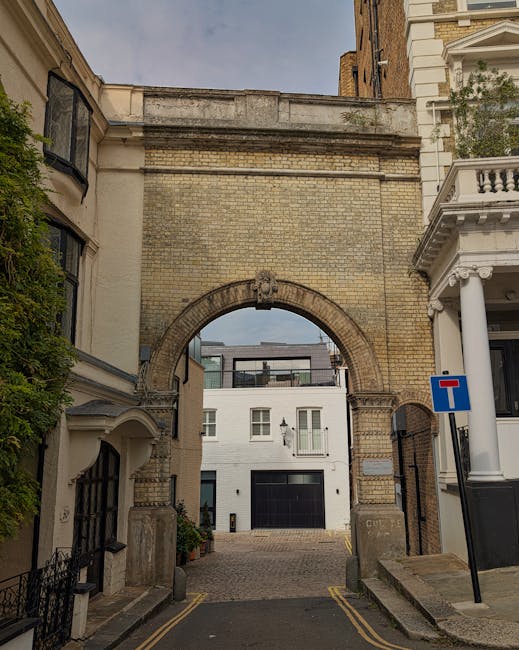
Why West Kensington studio rubbish clearance narrow access tips Matters
Studio flats and compact conversions in West Kensington often have one or more access headaches: narrow front doors, split-level layouts, tight stairwells, long internal corridors, communal entrances, lift restrictions, or small external spaces where waste must be staged. That creates a very different clearance job from a simple ground-floor collection.
Why does this matter so much? Because rubbish clearance is not just about lifting things out. It is about moving items safely, without damaging the property, without blocking neighbours, and without turning a quick job into a half-day puzzle. A chest of drawers that slides out nicely in a spacious house can become a problem item in a studio with a sharp corner and a low ceiling. Truth be told, that is where most delays begin.
Good narrow access planning helps you avoid:
- scraped walls, chipped bannisters, or damaged door frames
- blocked communal hallways and unhappy neighbours
- extra labour time caused by carrying items the long way round
- last-minute rescheduling because an item simply will not fit
- confusion over what can be taken in one visit and what needs splitting down
It also makes it easier to get a fair quote. If you are comparing options, it helps to understand the service you are asking for. For a broader look at the types of work that can support a clearance, you can browse the services overview, especially if your job sits somewhere between a small domestic tidy-up and a more involved flat clearance. And if you are trying to keep costs tidy, it is worth reading how to avoid hidden rubbish clearance charges in West Kensington before you book anything.
How West Kensington studio rubbish clearance narrow access tips Works
A narrow-access clearance usually starts with an assessment of how items will physically leave the property. The team needs to understand the size, weight and shape of the waste, plus the route out of the building. That route may involve one or more of the following: a front door, a shared hallway, a stairwell, a lift, a side passage, an internal fire door, or a courtyard. In small studios, the access route can matter more than the volume of rubbish itself.
Here is the basic logic professionals tend to follow:
- Identify the largest awkward item first. This is the thing most likely to cause trouble, not the bagged waste.
- Map the route out. Measure pinch points, turns, ceiling drops and door widths. Even a quick visual check is useful.
- Decide whether items need dismantling. Bed frames, wardrobes, desks and shelving often move better in parts.
- Stage the load carefully. In a studio, there may be very little room to pile everything. Keeping a clear path is half the battle.
- Move in the right order. Small bags out first, then medium pieces, then the bulky awkward items while the route is clear.
- Finish with a sweep-through. A final check is useful for screws, cables, packaging and those annoying little bits that hide under beds and radiators.
That sounds simple, and in principle it is. But the judgement call is everything. A clearance team may decide that a wardrobe should be carried intact if the corridor has enough width, or dismantled if the landing turns too sharply. There is no magic rule. It is a practical call based on the actual space in front of you.
If you are dealing with building works as well as household clutter, you may also find it helpful to look at builders waste disposal in West Kensington, because renovation debris brings different handling needs from sofa-and-box clearance. And if a larger flat or full property reset is on the cards, house clearance in West Kensington can give you a better sense of how broader clearances are approached.
Key Benefits and Practical Advantages
When narrow access is planned properly, the benefits are quite immediate. You notice them in the time saved, the mess avoided, and the sheer lack of drama. A good clearance feels almost boring, which is actually the goal.
- Less disruption: Hallways stay clearer, neighbours are less affected, and the property is back to normal quicker.
- Reduced damage risk: Careful movement and dismantling decisions protect walls, corners and shared areas.
- More accurate pricing: Clear access details make it easier to quote properly, rather than guessing and padding the cost later.
- Better recycling outcomes: Sorting before removal can make it easier to separate reusable and recyclable items. More on that in recycling and sustainability.
- Less stress for you: You do not have to spend the day moving furniture around in circles and wondering why the wardrobe is suddenly an enemy.
There is also a subtle benefit people miss: narrow-access planning tends to force better decluttering decisions. Once you know an item is hard to remove, you are less likely to keep it "just in case". That is often what studio living is about anyway. Being ruthless, but in a tidy and civilized way.
For some readers, speed matters most. If your tenancy is ending or a sale date is looming, it can help to read about same-day rubbish collection in West Kensington W14. For others, cost discipline is the priority, and pricing and quotes is the better place to understand how a provider may structure an estimate.
Who This Is For and When It Makes Sense
This topic is most useful if you live or work in a compact property where every movement feels slightly planned in advance. That could be a top-floor studio, a converted terrace flat, a basement unit with a narrow stairwell, or a small managed block where access rules are stricter than the items themselves.
It makes sense to think carefully about access if you are:
- moving out of a studio and need a fast clear-out
- clearing after a tenancy or landlord inspection
- refreshing a small property before sale or letting
- removing old furniture, white goods or mixed household rubbish
- sorting post-renovation debris from a compact living space
- handling a clearance where parking or loading is awkward
It is especially relevant in West Kensington because local housing stock can be a bit varied. Some properties are modern enough to have lifts, while others have all the quirks of older London buildings: tight stair rails, narrow entry points, and the sort of corridor where two people passing each other feels like a small event. If you want a broader feel for the local housing context, what locals say about life in Kensington gives useful perspective, and the steps to buy or sell property in Kensington can be helpful if your clearance is tied to a move or sale.
Sometimes the best approach is not full-service removal, but a staged one. For example, if you are clearing a studio near a busy route or close to station traffic, you may want to remove bulky items first and leave bagged waste for a later collection. That kind of phased thinking can make the whole process much calmer.
Step-by-Step Guidance
If you are preparing a studio clearance with narrow access, here is a sensible way to approach it. Nothing fancy. Just a clear sequence.
- Walk the route from room to vehicle access. Look at every doorway, turn, stair, landing and doorway latch. Measure if you can. Guessing is where the headaches start.
- Identify the awkward items. Mattress, wardrobe, sofa, desk, shelving, washing machine, and anything with an odd shape should be checked early.
- Sort into moveable groups. Bagged waste, recyclable materials, furniture, electricals and anything that may need special handling should not all be treated the same way.
- Dismantle where sensible. Take off table legs, remove mattress bases, flatten boxes, and separate units only when it genuinely makes movement safer.
- Clear the route first. Remove shoes, bins, plant pots, loose rugs, coat stands and anything that could snag a hand or wheel.
- Protect edges and corners. If you have access to blankets or cardboard, use them on sharp corners and door frames. It is a small effort that prevents silly damage.
- Stage items in the right order. Small bags and loose waste can go first. Bulky pieces should follow once the route is open.
- Check communal rules before moving out. Some buildings have restrictions on when items can be placed outside or how long they can remain in shared areas.
- Do a final sweep. Check under the bed, behind radiators and in the bathroom cabinet. Studios are brilliant at hiding things in plain sight.
One practical point: if the clearance involves mixed waste and you are unsure what can be taken together, ask before the day. That saves awkward pauses later when someone is standing there with half a dismantled desk and no plan for the screws. Small detail, big difference.
If the job involves waste from repairs or decoration, the West Kensington flat rubbish clearance Lillie Road case study is useful background reading, and if you are trying to understand household disposal boundaries, Hammersmith and Fulham council rubbish rules for West Kensington is a good companion topic.
Expert Tips for Better Results
There are a few little habits that make narrow-access clearance much easier. These are the sort of things people learn the hard way, usually after the first scraped wall or blocked stair landing. Let's try to avoid that.
- Take one quick photo of each awkward area. A picture of the hallway, the staircase and the front door can be more useful than a long message.
- Be honest about item size. If the wardrobe is really taller than you first said, say so. Nobody enjoys surprises in a stairwell.
- Leave the route clear before anyone arrives. A ten-minute tidy in the morning can save half an hour later. Maybe more.
- Move small loose items into bins or bags first. It reduces trip hazards and gives everyone room to breathe.
- Think in terms of shape, not just weight. A light but awkward item can be harder to move than a heavy one with a good grip.
- Use a soft landing zone. If there is a tiny space near the door, make that your temporary staging area rather than blocking the whole room.
Also, do not underestimate timing. If your building gets busy around breakfast, school-run hours or evening return times, a supposedly easy clearance can become a bit fiddly. A quieter slot is often worth it. You feel it in the pace straight away.
For jobs where collection timing is critical, you may also want to look at rubbish removal near West Kensington Station W14, because central access points and transport-adjacent streets can influence how quickly a team can load. And if your waste includes shop or office items rather than household pieces, affordable commercial rubbish removal for West Kensington shops gives a useful adjacent perspective.
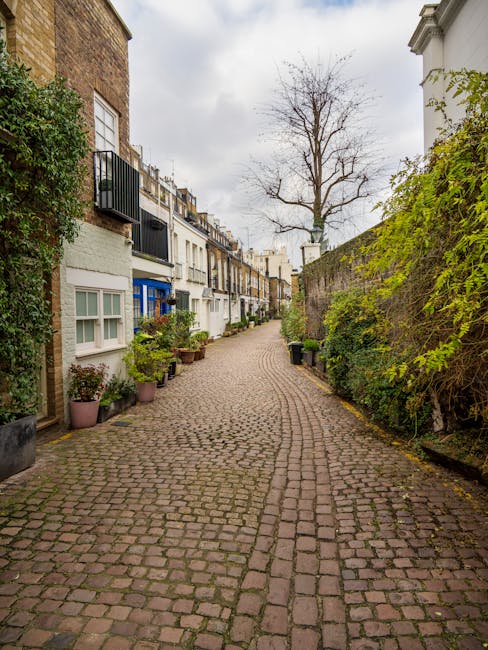
Common Mistakes to Avoid
The most common errors are not dramatic. They are usually small assumptions that snowball into bigger problems. A few to keep in mind:
- Assuming the item will fit because it fit when you moved in. It may have been carried in at a different angle, in different pieces, or before the hallway filled with furniture.
- Forgetting the turning circle. A door width is only one part of the equation. The turn after it can be the real problem.
- Ignoring shared spaces. In a block or conversion, leaving items in the communal hall too long can upset neighbours and create safety issues.
- Waiting until the last minute to dismantle anything. That is how screws vanish and tempers rise. Very London, somehow.
- Underestimating what counts as mixed waste. Electronics, sharp items and certain construction debris may need separate handling.
- Not checking parking or loading constraints. The nicest clearance plan can fall apart if the vehicle cannot get near the property.
Another subtle mistake is trying to make the entire flat look tidy before thinking about clearance strategy. Sometimes tidying first helps. Sometimes it just moves clutter from one corner to another. You need a path, not a perfection contest. That distinction matters more than people think.
Tools, Resources and Recommendations
You do not need much kit to prepare properly, but the right few items make life easier. If you are handling some of the prep yourself, these are genuinely useful:
- Measuring tape: helpful for door widths, hallway pinch points and furniture depth.
- Strong bin bags or rubble sacks: for loose waste, textiles and light mixed rubbish.
- Marker pen and labels: useful if you are separating items to keep, donate, recycle or remove.
- Blankets, moving pads or cardboard: basic edge protection for tight corners.
- Gloves: especially if you are handling broken items, dusty storage pieces or old fittings.
- Phone camera: not glamorous, but excellent for documenting access, item size and any delicate points in the route.
If you are comparing services or deciding how comprehensive the job should be, it is worth reading a little more around the business side of it too. Waste removal in West Kensington gives a broader sense of the service type, while rubbish collection in West Kensington may suit smaller loads or less complex jobs.
And if safety is a concern - which, to be fair, it should be when handling bulky items in tight spaces - insurance and safety is worth checking so you know what good practice looks like before anything starts moving.
Law, Compliance, Standards, or Best Practice
For this kind of clearance, the most relevant compliance issues are usually practical rather than complicated. In plain English: waste should be handled responsibly, access should not create avoidable hazards, and communal areas should be treated with care. That is the baseline.
If you live in a managed block, leasehold conversion or shared building, there may also be local building rules about using lifts, blocking corridors, or leaving items in common areas. These are often set by the property manager or residents' rules rather than by the clearance provider. Check them early. It saves awkward conversations at the door.
For mixed household waste, it is sensible to separate anything that is likely to need special handling. Old electricals, sharp objects, and certain renovation materials are best flagged before collection. The exact handling depends on the item and the service you choose, so it is better to ask than guess.
It is also good practice to use a provider that can explain how waste is sorted and where it goes. If sustainability matters to you, recycling and sustainability is the right place to understand the ethos behind responsible disposal. And if you want a clearer sense of who is carrying out the work, about us can help you judge experience and approach.
One last thing: if anything feels unsafe to move, it usually is. That sounds obvious, I know, but people still try to wrestle a heavy unit around a narrow turn because they are trying to "just get it done". A little caution is better than a bruised wall or a bruised back.
Options, Methods, or Comparison Table
Different studio clearances call for different approaches. Here is a simple comparison to help you decide what fits your situation best.
| Method | Best for | Pros | Watch-outs |
|---|---|---|---|
| Full man-and-van style clearance | Mixed loads, bulky furniture, limited time | Fast, flexible, less lifting for you | Needs accurate access details and item sizes |
| Phased clearance | Very tight studios, shared buildings, tricky timing | Lower disruption, easier route planning | May take more than one visit |
| Item-by-item removal | A few awkward pieces only | Good for narrow access and small budgets | Can become slow if the flat has many little items |
| DIY pre-sort then collection | People who want to reduce labour time | Can be efficient and tidy | Requires energy, space and careful lifting |
If you are unsure, the middle-ground option is often best: sort everything first, flag the bulky items, and then let the collection plan follow the access route rather than the other way round. It sounds obvious, but it works.
Case Study or Real-World Example
Picture a small West Kensington studio on an upper floor. The tenant is moving out, the bed base has already been sold, and what is left includes a wardrobe, a desk, several bin bags, a broken bedside unit and a few odds and ends from the kitchen. Nothing enormous, but the hallway is narrow and the stairwell turns sharply at the first landing. Classic London geometry, honestly.
The clearance succeeds because the route is planned before anyone lifts anything. The narrowest turn is checked first. The wardrobe is emptied and dismantled into manageable pieces. Loose items are bagged. The corridor is kept clear from start to finish. The heavy awkward bit is saved until the route is open and one person can guide while another lifts. No rushing, no heroics.
The difference is not just speed. The walls stay intact, the stairwell stays usable, and the move-out feels under control instead of chaotic. That is what good narrow-access clearance is really about. It is not flashy. It just works.
If your situation is similar but a bit more complex - say you are clearing after refurbishment or dealing with mixed debris - the background advice in the Lillie Road flat rubbish clearance case study and the household waste permits Hammersmith and Fulham council guide can help you think through permissions and practicalities before collection day.
Practical Checklist
Use this before the clearance arrives. It keeps things simple.
- Measure the narrowest doorways, turns and stair points.
- Photograph the access route and the largest items.
- Separate bulky furniture from loose rubbish.
- Empty wardrobes, drawers and cabinets before moving them.
- Remove rugs, loose cables and floor clutter from the route.
- Check whether any shared building rules apply.
- Set aside anything staying in the flat so it is not mixed up by accident.
- Protect edges if you have blankets or cardboard to hand.
- Confirm parking or loading access if relevant.
- Keep a quick list of items that may need special handling.
Quick note: if you do just three things, make them this: measure the route, clear the pathway, and identify the awkward item first. The rest gets easier.
Conclusion
Studio rubbish clearance in a narrow-access West Kensington property is rarely difficult because of the rubbish itself. The real challenge is the route. Once you understand that, the whole job becomes more manageable. You plan the path, reduce the awkwardness, and keep the building calm while the clearance happens.
The best results come from a simple mix of honesty, preparation and common sense. Measure first. Sort properly. Be realistic about bulky pieces. And do not be shy about asking how items will move out before the day arrives. That one conversation can save a surprising amount of stress.
Whether you are clearing after a move, making space in a compact flat, or just trying to get your studio back from the stuff that has quietly taken over, the key is to treat narrow access as part of the job, not an inconvenience. Once you do that, it all starts to feel a lot less messy - and a bit more human.
Get a free quote today and see how much you can save.


Copyright © . House Clearance West Kensington. All Rights Reserved.